
In my mediation information meetings I often ask my clients what they argue about and how these arguments end. The following is typical of what I often hear from each client.
Every time we argue about the children he threatens to reduce my maintenance. It makes me so angry because he knows how hard up we are.Does he want the children to suffer
Every time we argue about money she threatens that that is the last time I will see my children. I get so angry because she knows how much I love my children and how much they love me.
The above exchange is typical of the patterns of communication exchanges, threats and counter threats, former couples get themselves into. Without the balanced and skilled intervention of a neutral facilitator it is more likely to continue to occur and result in long term unresolved conflict.
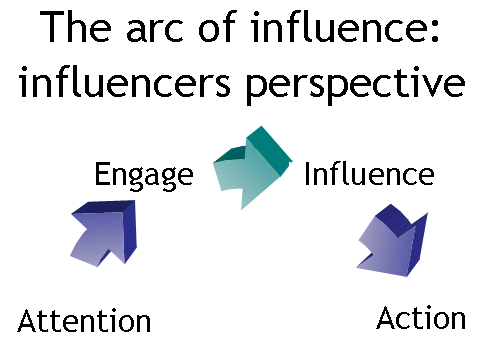
Mediation focuses on influence over power. We all know that it is the people who feel powerless who are most likely to threaten in order to regain some of the power they feel they have lost.
In the above case, for the mother, it is the children and for the father it is the money. This may well turn into threats to go to court if one thinks that they will ‘do better’ than the other.
So, what is the answer? The answer surely is to ‘re-empower’ each person in a constructive positive way, but how.
In mediation the mediator uses the mediation process and their facilitative skills to influence and re-empower the parent clients in a number of ways.
The mediator uses the MIAM (separate mediation info and assess meetings), to focus each parent on how to communicate better and explore options for agreement. They prepare the couple mentally for the mediation process so that they are thinking in the right way when they come into mediation (see my video in the video academy section: thinking about mediation).
In mediation, the mediator gives each person an opportunity to express their views and worries and what they need from each other, intervening in various ways to ensure that these things are properly heard and understood.
Ideally, as a result of hearing and understanding each other’s needs and concerns, each person will focus on these looking at ways of working together to meet mutual needs and support each other as parents.
You never know, mediation might even result in an apology for past behaviour. I refer you to a previous blog of mine about the power of an apology remembering that it is about re-empowering and building the parental relationship.
When parents can begin to find a way of giving each other the benefit of the doubt, trying out new arrangements, trusting and acknowledging each other’s emotional needs as parents ( which often comes by way of mutual reassurances), the mediator and parents can really start to make progress, having chosen the route of discussion and influence over power.